
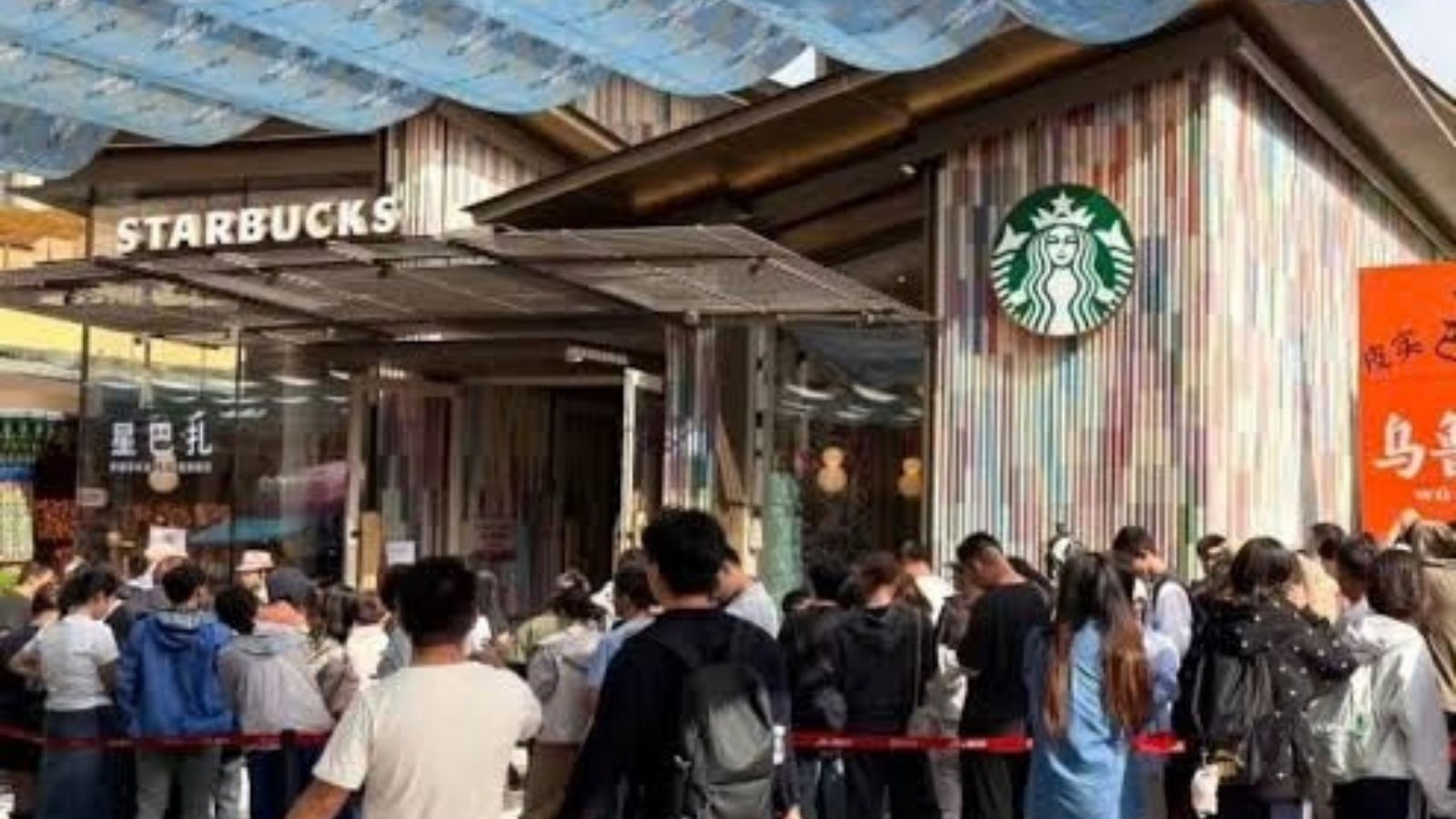
Starbucks opened its first two stores in Urumqi, East Turkistan, on September 29, 2026. Located at the International Grand Bazaar and Tianshan International Airport, the outlets are the company’s first stores in the region.
Uyghur Cultural Elements Incorporated into Store Design
The store at the International Grand Bazaar features elements of Uyghur culture, including Atlas silk and traditional musical instruments. The stores also offer drinks inspired by local flavours.
In a written statement reported by Chinese state media, Starbucks China CEO Molly Liu said entering the region was intended not only to expand the company’s store network but also to build lasting relationships with customers. Chinese media presented the openings as a sign of growth in the region’s retail and tourism sectors.
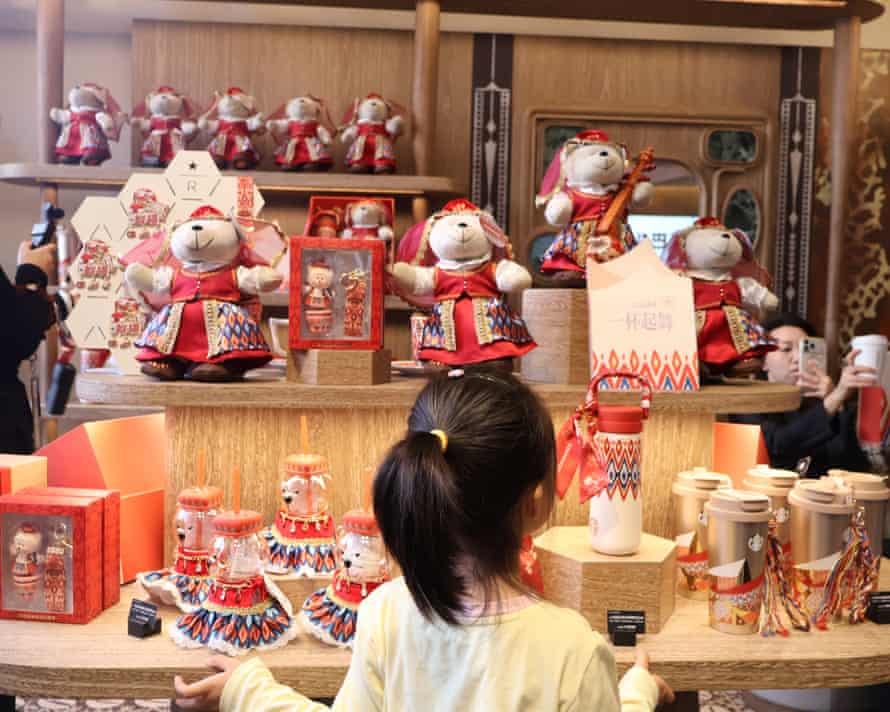
Criticism from Uyghurs in the diaspora focuses on how the presence of international brands creates an appearance of normality that masks repression in the region. These criticisms echo the “Potemkin village” analogy used to describe China’s policies in East Turkistan: an image of prosperity and cultural vitality is presented to the outside world, while the human rights abuses behind it are obscured. In this context, displaying Uyghur cultural elements in stores is also criticized as turning the culture into a tourist showcase while restrictions on Uyghurs’ ability to freely practise and preserve their own culture continue.
US Congressional Committee Chair Calls for Store Closures
The openings drew criticism over human rights abuses against Uyghurs. In a statement published on October 1, John Moolenaar, chair of the US House Select Committee on China, criticized Starbucks’ decision and called for the stores to close.
Moolenaar said he considered it morally unacceptable for a company that emphasizes social responsibility to operate in a region where Uyghurs’ religious and cultural identities are under repression. He argued that Starbucks’ commercial presence in the region links the American brand to the Chinese Communist Party’s policies of repression against Uyghurs.
According to Reuters’ October 2 report, Starbucks did not respond to requests for comment on the criticism. China’s Foreign Ministry denied allegations of repression and maintained that the region was experiencing stability and economic growth.