
The release of two Uyghurs held in Thailand for years under a royal pardon has not brought them freedom. Transferred on October 21, 2026, from Bangkok Central Prison to the Suan Phlu Immigration Detention Center, the two men have said they do not want to return to China, while Thai authorities have raised the prospect of extradition proceedings.
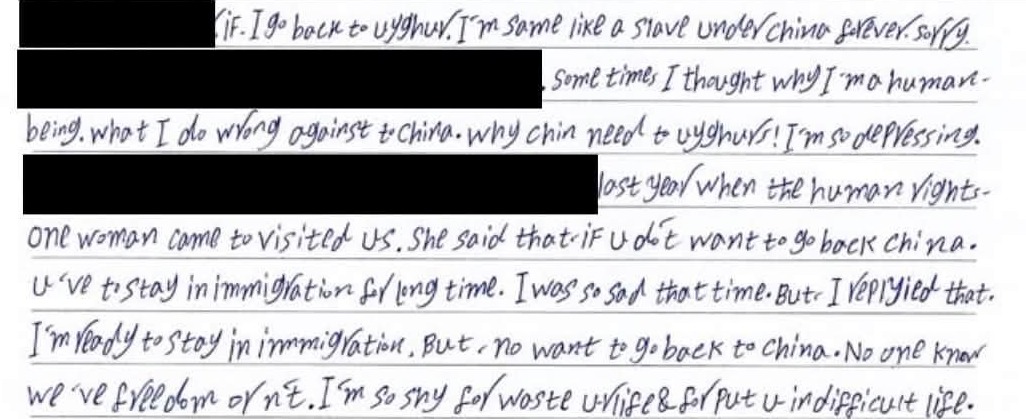
Uyghurify previously reported on the men’s transfer and on letters expressing the fear of Uyghurs held in Thailand of being sent back to China.
More Than Twelve Years in Detention
The two Uyghurs are among the five remaining members of a group of more than 300 Uyghurs detained in Thailand on March 13, 2014. According to Human Rights Watch (HRW), one of them was 14 years old when he was detained. The two were sentenced to seven years in prison for offenses linked to an attempted escape from immigration detention in January 2020.
According to a letter from Thailand’s National Human Rights Commission dated November 4, the two men who received the royal pardon are being held in immigration detention pending deportation. The other three Uyghurs from the same group remain in prison. Amnesty International reported that since the transfer, the two men have been denied access to their lawyers, and civil society groups and the Commission have also been blocked from seeing them.
Thai Authorities Raise Extradition Procedure
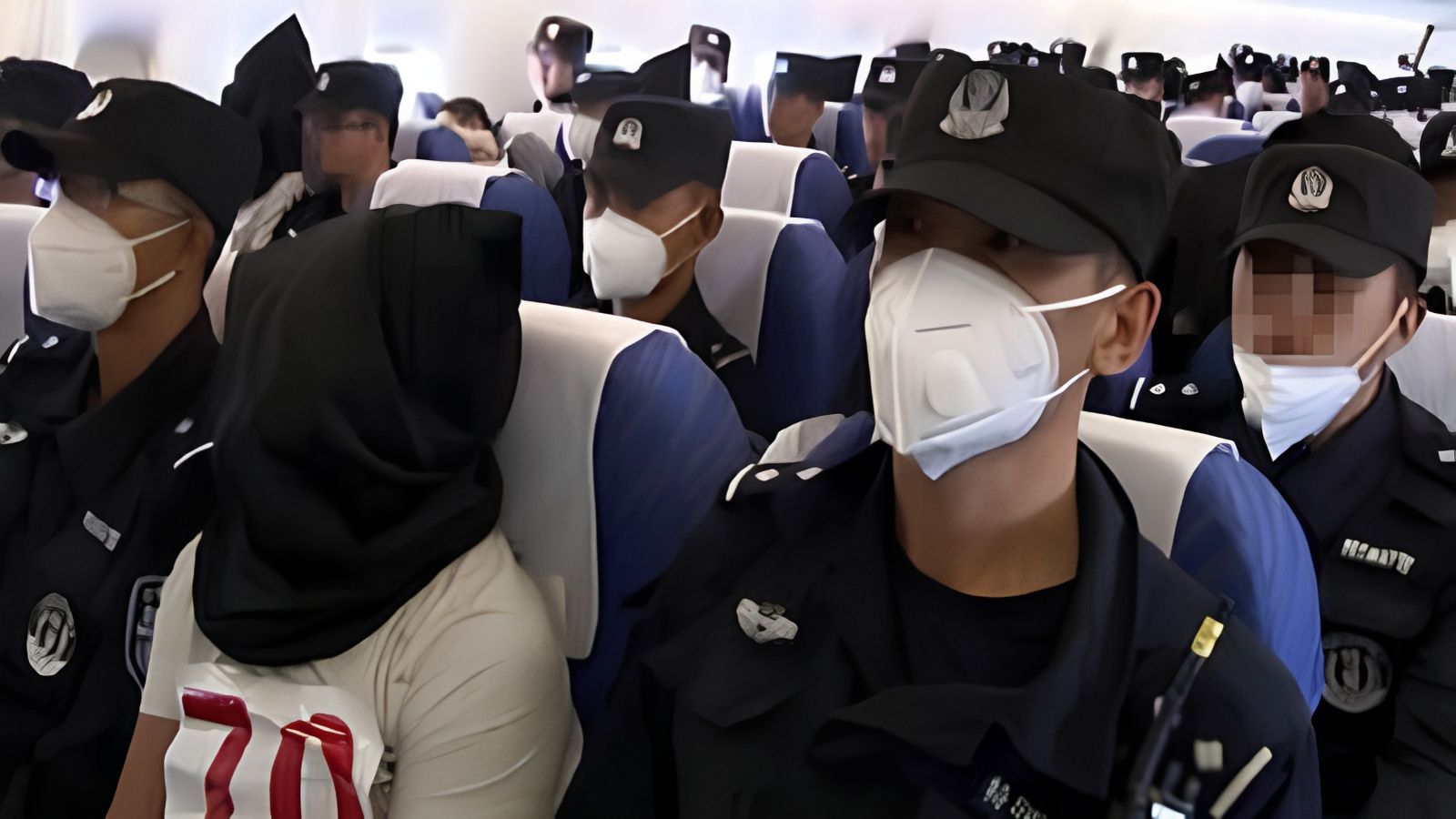
According to HRW, Thai Foreign Ministry officials told a parliamentary committee that the Chinese Embassy in Bangkok had demanded the return of the two men in August 2026. According to Amnesty, the Embassy had also sent a letter in January 2025 requesting the “repatriation” of 45 Uyghur men. Thailand then forcibly returned 40 Uyghurs to China on February 27, 2025.
On November 4, National Security Council Secretary-General Chaiyapruek Duangprapat said China had arrest warrants out for the five Uyghurs and that none of them has refugee status. As reported by Thai PBS World, Duangprapat said that if China wants the two men sent back to stand trial, it must go through the extradition treaty.
Duangprapat said that if a formal extradition request is received from China, the case would be reviewed through the Foreign Ministry, prosecutors and the courts; if the court does not rule in favour of extradition, the men’s fate would depend on whether a third country accepts them as refugees. He argued that extradition is “purely a judicial, not a policy matter,” unlike the return of the 40 Uyghurs in 2025.
No final extradition decision or deportation date was announced in the statement.
Urgent Letter from Rights Commission to the Prime Minister
In a letter marked “most urgent,” dated November 4, 2026, and signed by Commission Chairperson Pornprapai Kanjanarin, Thailand’s National Human Rights Commission asked the Prime Minister not to send any of the five Uyghurs to China, whether they have completed their sentences or are still in prison. In the letter, the Commission also referred to concerns it had raised with the government on the same issue on June 9, 2026.
The Commission stated that sending these individuals to China, directly or via another country, would expose them to the risk of torture, inhuman treatment and enforced disappearance. It stressed that national security and inter-state relations cannot be grounds for an exception to the obligation of non-refoulement. The letter cited Article 3 of the Convention against Torture, Article 16 of the Convention on Enforced Disappearance, and Articles 6 and 7 of the International Covenant on Civil and Political Rights.
The Commission emphasized that the issue is not merely a matter of immigration management but directly concerns the lives, safety and dignity of individuals. It warned that if irreparable harm occurs, the international community’s confidence in Thailand as a member of the UN Human Rights Council would also be undermined.
The letter noted that the two men continue to maintain that they do not want to return to China, and that there is still no official or clear information on the status and safety of the 40 Uyghurs returned in 2025.
Call for Resettlement in a Safe Third Country
The Commission recommended expediting the resettlement of the five men in third countries willing to accept them. It called for them to be given full access to lawyers and to the United Nations High Commissioner for Refugees (UNHCR), both while in detention and after their release.
It also stated that any decision or consent regarding their departure must be genuinely voluntary, free from coercion, threats or undue inducement.
Warnings from International Organizations
Amnesty International and Human Rights Watch have also opposed sending the two Uyghurs to China. Warning that they could face torture and other grave violations, the organizations called for their resettlement in a safe third country.
“Thai authorities must immediately halt any plans to forcibly return these two Uyghur men to China,” said Agnès Callamard, Secretary General of Amnesty International. Callamard stressed that no diplomatic assurance from China can override Thailand’s international obligations.
“The Thai authorities should be protecting Uyghurs fleeing persecution, not jailing them,” said Elaine Pearson, Asia Director at HRW. HRW noted that the UN Human Rights Council will review Thailand’s human rights record on November 9.