
Yasinjan Tohti’s family was told that he had died in a traffic accident. Yet the bus driver from Aksu was in detention at the time. Years later, RFA’s interviews with police officers revealed information that contradicted the explanation given to his family. How Yasinjan, a father of five, died has still not been explained.
Aksu: A Father Of Five Who Wanted His Children To Have An Education
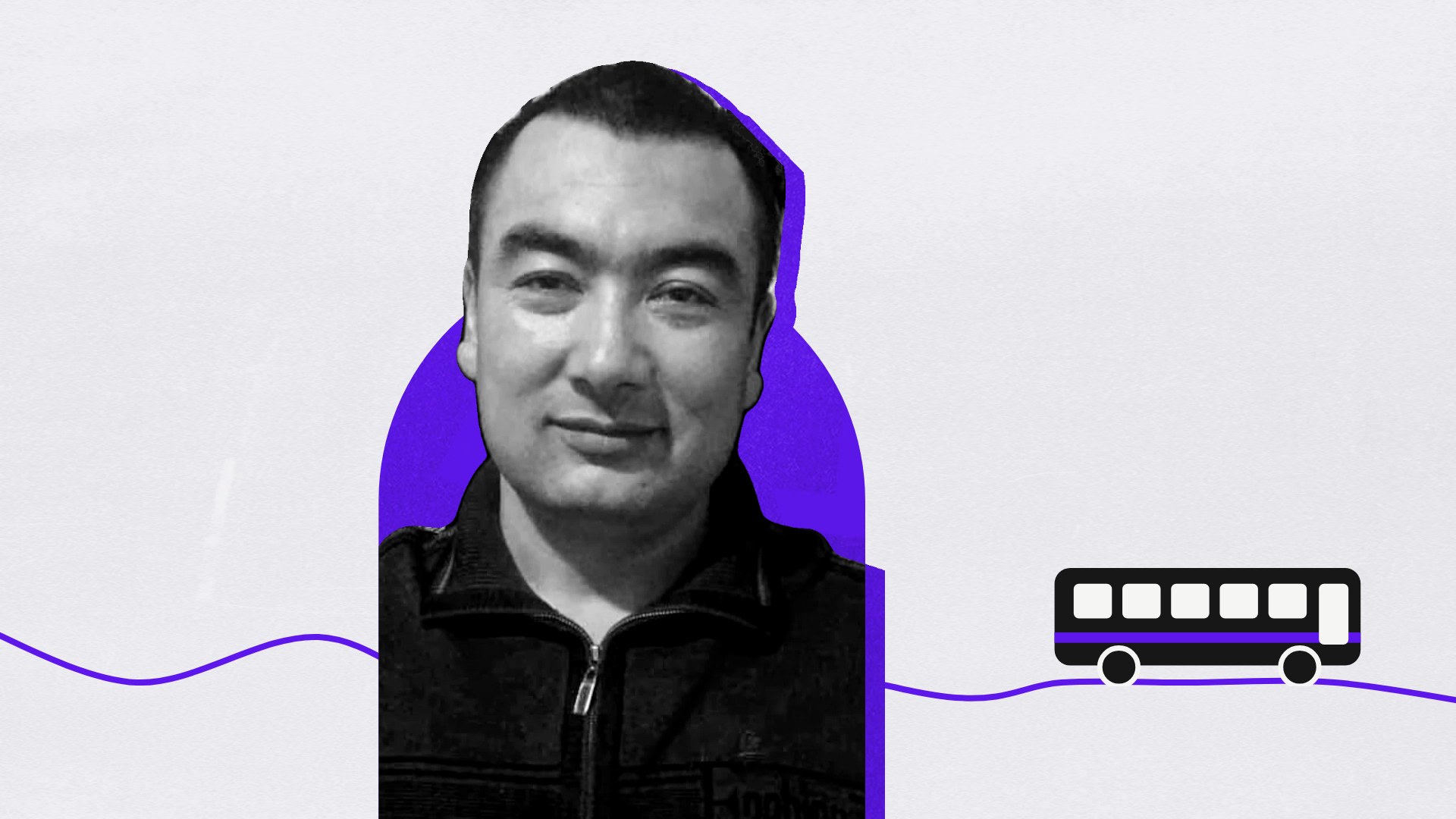
Yasinjan lived in Aksu, East Turkistan, where he earned his living as a bus driver. According to RFA, he was born in 1980. He himself had received only a primary school education, but placed particular importance on his children’s schooling.
He and his wife, Gulnur Tohti, had five children. A decision Yasinjan made for his children’s education would become one of the reasons cited for his subsequent detentions: he had sent his son, Hebibulla Yasin, to Egypt when the boy was just five years old.
Egypt: A Child’s Journey To Study Became Grounds For Suspicion Against His Father
Hebibulla was not alone in Egypt. His aunt Reyhangul was there for her own children’s education and had also taken responsibility for caring for her nephew. Yasinjan had sent his son somewhere he could continue his education while living with a relative.
According to Reyhangul’s account, the authorities began questioning Yasinjan on suspicion of “religious radicalism” because his son was in Egypt. After periods of brief detention and “re-education,” he was told to bring his child back.
Reyhangul entrusted Hebibulla to airline staff and sent him to Aksu. The child returned, but the suspicion and pressure directed at his father did not end. Yasinjan was questioned again and taken away again.
2016: Released After Three Months, Then Taken Away Again
According to his entry in the Xinjiang Victims Database, also cited in UHRP’s bibliography, Yasinjan was detained in November 2016. He was released approximately three months later. But this was not the end of his detentions. He was subsequently taken to a camp again.
RFA reports that he was detained a total of four times between 2016 and 2018. In his family’s account, this period was marked by brief releases followed by repeated questioning and detention. Even his son’s return from Egypt had not ensured that Yasinjan could remain with his family.
The Final Stop: The Passengers’ Prayers Became The Reason For The Driver’s Last Detention
The reason given for Yasinjan’s final detention was a stop he made while working as a bus driver. According to his older sister Reyhangul, he had stopped the bus so that his passengers could pray.
The authorities learned about this stop during questioning. Giving his passengers time to pray became the reason for sending him back for “education.” Yasinjan never returned home. The news of his death reached his family after this final detention.
February 2018: His Family Was Told He “Died In A Traffic Accident”
The victim database entry dates Yasinjan’s death to February 2018. The explanation relayed by his relatives in Aksu to his older sister Reyhangul, who was living in Belgium, was that he had died in a traffic accident.
Reyhangul doubted this explanation. She knew that her brother was in detention. She sought an answer to the question of how someone being held in a camp could have died in a traffic accident.
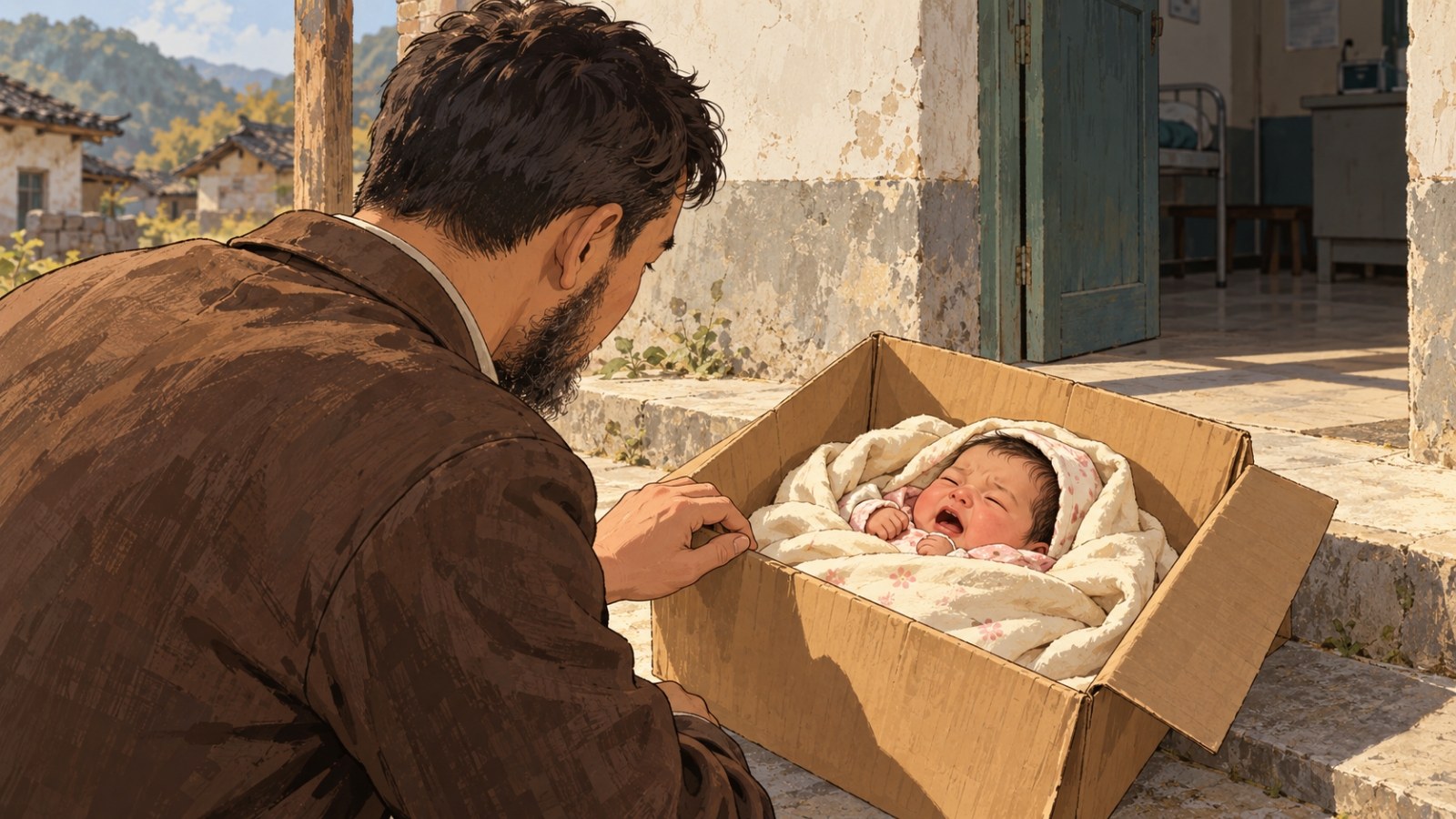
Her younger sister, who had passed on the news, explained that this was what the police had told them and that, under the circumstances, they could not ask further questions. Alongside the news of his death, the family faced the uncertainty of being unable to question the circumstances in which he had died.
2026: Information From The Police Station Contradicted The Traffic Accident Explanation
In October 2026, RFA reporter Shohret Hoshur spoke by telephone with officers at the Qartal Bazaar police station in Aksu to investigate Yasinjan’s death. According to RFA, one officer said that Yasinjan had been brought to the hospital from a camp. The interviews yielded information indicating that he had died during his final detention.
However, the periods of time given by the officers did not match. The police chief referred to five or six months in detention, while another officer said that nine or ten days had passed before Yasinjan was taken to the hospital. RFA could not establish whether these referred to different periods of detention or to the total time he had spent in custody.
It is therefore not possible to state precisely how many days into his detention Yasinjan died. The medical cause of his death has not been disclosed either. RFA’s investigation uncovered information that contradicted the traffic accident explanation given to his family, but it could not establish every detail of his death.
Five Children: A Family Torn Apart By Detentions And The Continuing Uncertainty
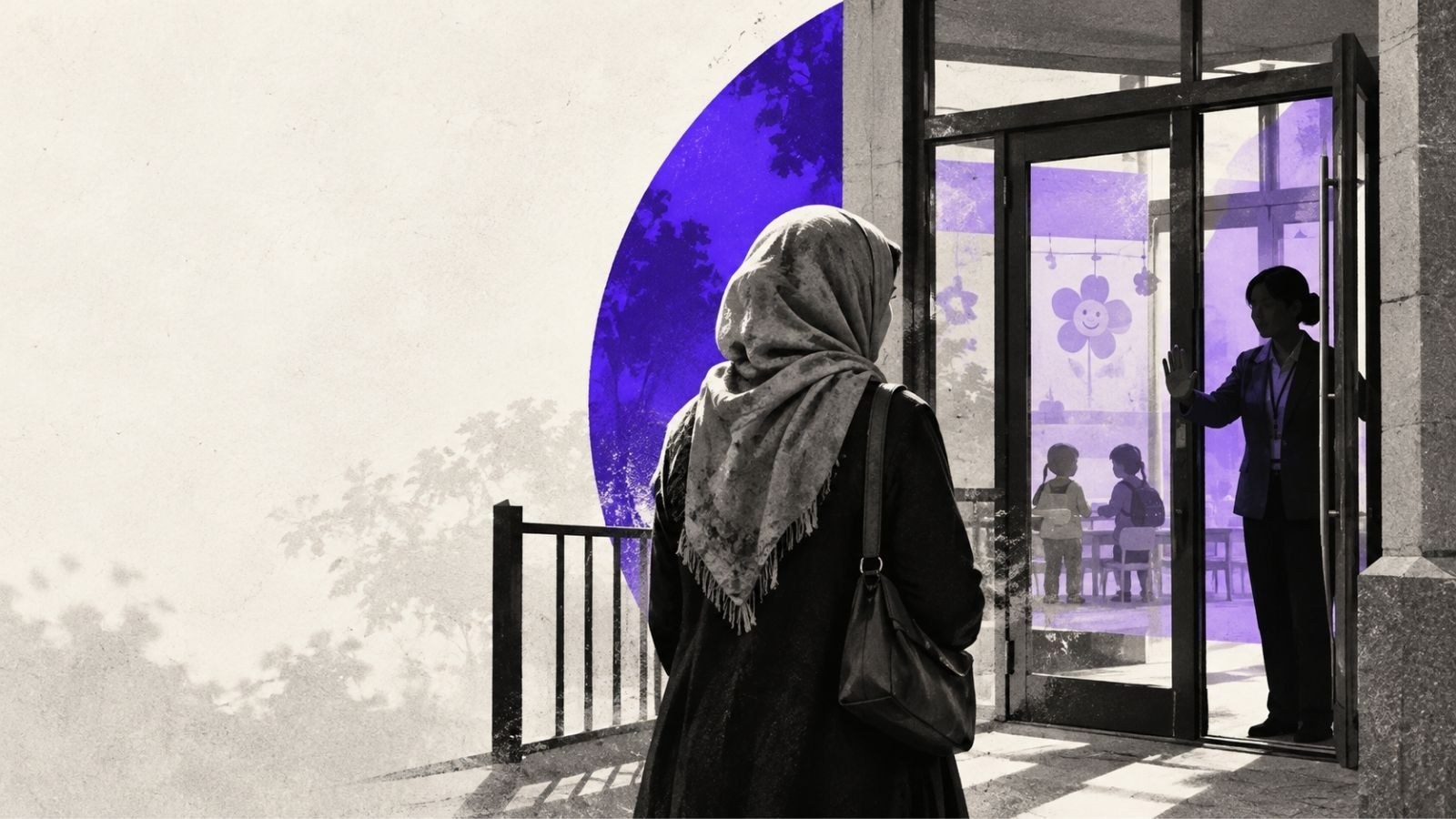
Yasinjan’s wife, Gulnur, was also detained. The family testimony recorded in the victim database states that the whereabouts of their five children were unknown. This information relates to the time when the testimony was given. The available sources do not explain where the children live today or whom they live with.
The family’s ordeal did not end there. Reyhangul learned that her younger sister, who had told her about their brother’s death, and her mother, who had returned from a trip abroad, had also been detained. She said she had been unable to learn where they were being held or the lengths of their sentences.
Reyhangul’s testimony also appears on an archive page dated 2019. The page states that Yasinjan died in detention in 2018, leaving behind his wife and five children. The family’s search for answers had begun years before the police interviews in 2026.
Questions remain unanswered after Yasinjan’s death: What happened to him in detention? Why was his family told that he had died in a traffic accident? Where are his wife and five children now? As Reyhangul tries to discover what happened to her brother, she is also waiting for news of other members of her family.
Every story is a thread. We weave to keep it from breaking.